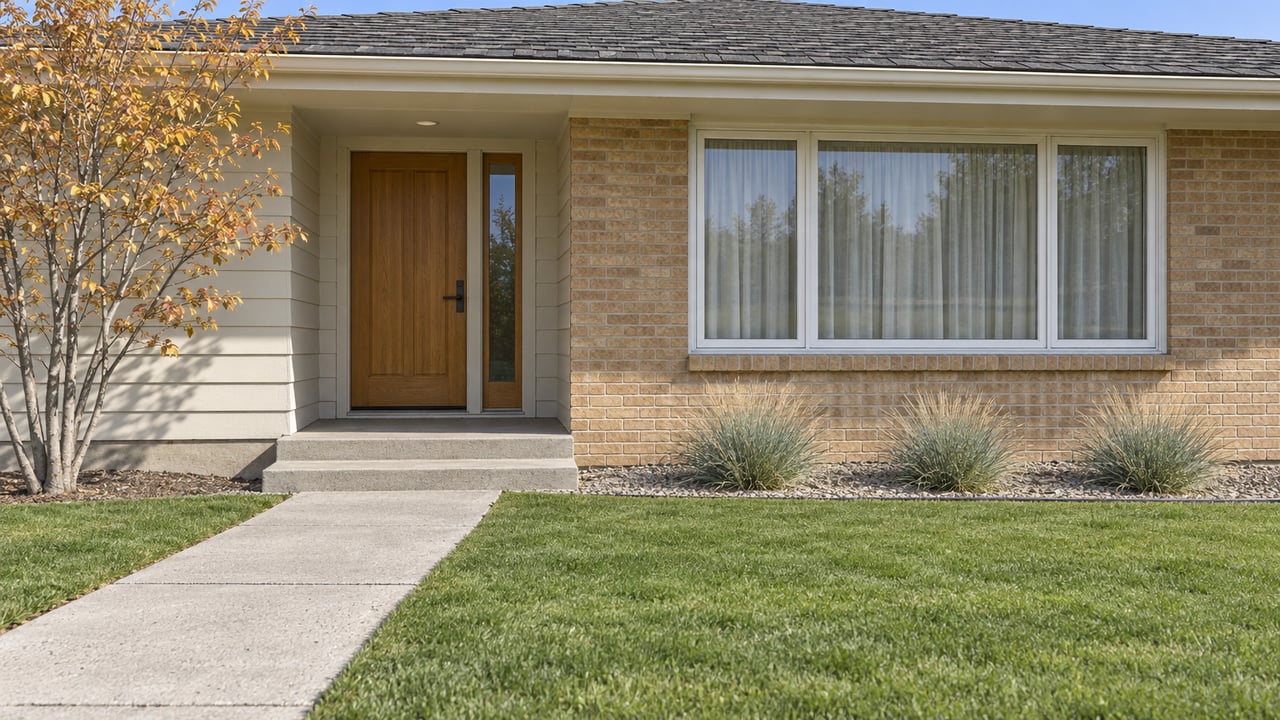
A buyer touring a home in west Pasco this month turned on the hose bib by the garage and got a faint sulfur smell and a warning from the seller not to drink it. Nothing was wrong with the house. The hose bib was tied to non-potable irrigation water, a second system running underneath the same address as the drinking water line, billed separately, priced differently, and in some parts of the city, not connected at all.
That distinction matters more than most buyers realize, and right now it matters on a deadline. Pasco's irrigation grid came online for the season on April 10 and typically runs through mid-October before the whole system shuts down until spring. Buyers whose homes are connected to an irrigation system can ask the seller to run it while that system is still operating. A buyer who closes after shutoff won't know if the home's connected sprinklers actually work until the system is running again next spring.
Three Systems, One City Limit
Pasco doesn't have one irrigation system. It has three, and which one touches your address depends on exactly where the parcel sits, not on the neighborhood name a listing uses.
The City of Pasco runs its own Public Irrigation Utility, a non-potable system pulled from the Columbia River and eleven wells, currently serving about 9,000 homes in a city of more than 80,000 residents. It exists specifically to keep treated drinking water out of lawns and away from landscaping, which keeps the drinking water utility cheaper for everyone.
Separately, Franklin County Irrigation District #1 covers its own footprint, generally south of the I-182 corridor and north of the Columbia River, running east to N. 20th Avenue and west to Shoreline Court. It bills through the Franklin County Treasurer's Office, not the city, and it operates on its own schedule and its own rate structure.
Then there's the South Columbia Basin Irrigation District, which doesn't serve individual Pasco homeowners directly but has become part of the story anyway. The city is now working with SCBID to route surplus water into its own system, a partnership built specifically to solve a capacity problem in one part of town.
Two houses a half mile apart can be on entirely different systems, with entirely different bills, entirely different shutoff dates, and entirely different answers to the question "does the irrigation work."
The Fee That Follows The House, Not The Owner
Here's the part that actually changes what a resale home is worth to you as a buyer. Connecting a property to the City's irrigation system costs money, and since March 28, 2025, that one-time connection fee has been set at $1,000, created by a Pasco City Council vote on March 17 of that year. Before that vote, the city had no dedicated charge for a new irrigation hookup at all.
That fee attaches to the parcel and travels with the sale. If a previous owner already paid to connect the home, you inherit a working hookup for free. If the home was never connected, or if it sits outside the city grid entirely, you're the one who pays to add it, at whatever the current fee happens to be when you apply.
That's a real dollar swing hiding inside two otherwise identical listings, and it won't show up on a comparable sales sheet. It shows up when you ask the right question before you write an offer.
The monthly cost of actually using the system is smaller than the connection fee makes it sound. According to the City of Pasco, rates are set to climb about 17 percent a year from 2025 through 2027 before leveling off to smaller increases through 2030. In a report by NBC Right Now, Pasco's communications coordinator, Alyssa Warner, put the practical impact this way when the increase was first proposed:
"For most people, it will end up being less than $10 per month during irrigation season."
Warner also noted that Pasco's irrigation rates remain among the lowest in the region even after the increases, which lines up with the city's stated goal of funding infrastructure without pricing out the customers who already rely on it.
Why Broadmoor Buyers Should Ask Twice
The fastest-growing corner of Pasco is also the one straining hardest against its own irrigation infrastructure. City studies going back to 2018 flagged supply deficiencies during peak summer demand in the Broadmoor area specifically, and residents there have reported pressure and reliability problems during the hottest stretches of the season for years since.
The city's answer, moving forward in 2026, is a new pump station built in partnership with the South Columbia Basin Irrigation District, designed to pull in additional water the district would otherwise not use and route it into Pasco's existing pipe network. The project includes a pump station, upgrades to cross an existing ditch or pond, and new pipeline connecting into the system further south in Broadmoor. It's a direct response to a corridor that grew faster than its water infrastructure could keep pace with.
None of that means a new Broadmoor home is a bad buy. It means a buyer touring new construction there should ask a builder or seller the same question a buyer touring an older Pasco neighborhood would ask, just aimed the other direction: not "is this connected," but "has this specific block had pressure complaints," and "when does the new pump station actually come online."
Check Irrigation Before Seasonal Shutoff
If you're under contract on a Pasco home connected to an irrigation system that's still operating, you have a genuine advantage that disappears when that system shuts off for the season. You can ask the seller to run it. You can watch the pressure, check for dead zones in the lawn, and confirm the sprinkler heads actually reach where they're supposed to reach before the system goes quiet.
After a home's irrigation system shuts off, none of that is testable until it runs again. A buyer who closes after the seasonal shutoff is trusting a connected system they can't see work until it starts up again, based on a seller's word and whatever's written into the disclosure.
Two Questions Before You Write The Offer
Before you get attached to a specific Pasco address, ask your agent or the title company two things:
- Is this parcel served by City of Pasco Irrigation, Franklin County Irrigation District #1, or neither? The answer changes who bills you, what the rate schedule looks like, and when the water actually gets turned off for the season.
- If it's connected, is there documentation that the connection fee has already been paid? If it isn't connected, what would hooking up cost today, and is that a number worth negotiating into the offer?
Neither question takes long to answer, and both belong in the conversation before you're past your inspection window, not after.
A Few Straight Answers
What happens if a home isn't hooked up to any irrigation system at all? The homeowner waters the yard using metered drinking water instead, which typically costs more per gallon than irrigation water and doesn't carry the same seasonal shutoff. Some buyers decide that's simpler. Others decide the connection fee is worth it the first summer their drinking water bill spikes.
Does the connection fee reset when a home changes hands? No. The fee is tied to the parcel's connection, not the person who paid it. A resale home with an existing hookup passes that hookup to the new owner without a second charge.
Why do irrigation rates keep climbing if the city says they're already among the lowest in the region? The city has pointed to system growth, aging infrastructure, and the debt service on planned upgrades as the reason for the scheduled increases through 2027 and beyond. The stated goal is keeping the system solvent and reliable as the customer base keeps expanding, not catching up to some regional average.
Buying a home in Pasco means buying into whichever water system happens to serve that specific parcel, and that detail is easy to miss on a listing sheet and expensive to discover after closing. If you're comparing homes across Pasco, Kennewick, or Richland and want someone who'll walk through exactly this kind of question with you before you're locked into an offer, Corrie Hayes would love to help. Let's Connect.
This article is general information, not legal, tax or financial advice. Consult a qualified professional about your situation.