If you’re house hunting in Pasco, one question can shape your whole search: do you want the feel of a newer growth area or the convenience of an established neighborhood? That choice is not just about the age of the home. It also affects your commute, lot size, nearby services, and how much ongoing development you may see around you. This guide will help you compare both options in Pasco so you can narrow in on the right fit with more confidence. Let’s dive in.
Pasco growth is shaping your choices
Pasco is still growing quickly, and that growth shows up clearly on the map. The city’s July 1, 2024 population estimate was 81,724, and local planning documents point to continued growth beyond this decade. That means buyers today are choosing between areas that are already well established and areas that are still actively taking shape.
Citywide housing also gives useful context. Pasco is still dominated by single-dwelling detached homes, while attached homes and multi-unit options make up a smaller share of the housing stock. The city’s 2023 housing analysis says many homes were built in the 1970s and early 2000s, while homes built since 2010 are still a smaller share of the overall supply.
For many buyers, budget and daily routine matter just as much as home style. The Census Bureau estimates a 2020 to 2024 median owner-occupied home value of $376,300, a median monthly owner cost with a mortgage of $1,771, and a median gross rent of $1,227. Pasco’s mean travel time to work is 22.5 minutes, which is one reason neighborhood location can have such a big impact on day-to-day life.
Where newer Pasco neighborhoods are
In Pasco, newer growth is largely concentrated north of I-182 and in west Pasco, including Broadmoor. City planning documents describe the I-182 corridor as one of the region’s fastest growth areas. Much of that corridor is designated for single-family construction along with retail and business uses.
Broadmoor is a major example of this newer pattern. The district covers more than 1,600 acres in northwest Pasco and is planned as a mixed housing, retail, commercial, and open-space area. The city’s master planning for Broadmoor emphasizes a walkable and transit-friendly layout, which gives buyers a sense of where future development is headed.
What newer neighborhoods often offer
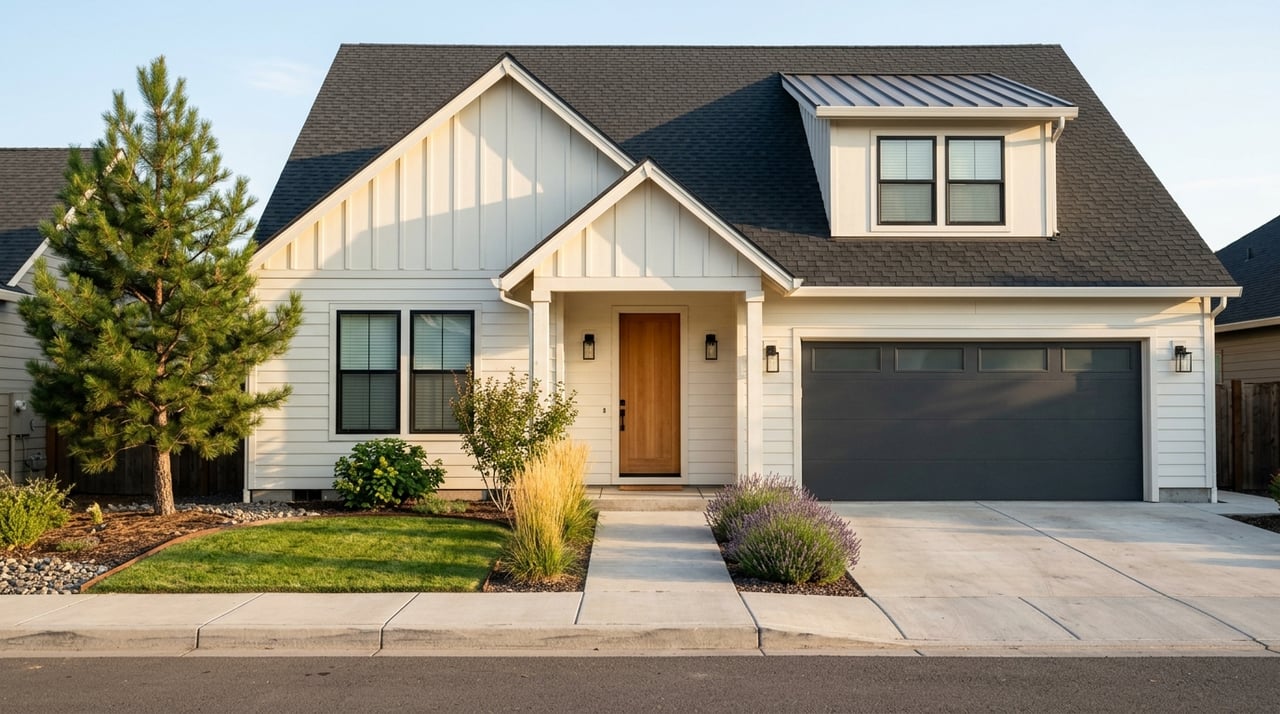
Newer Pasco neighborhoods can appeal to buyers who want a more planned environment and the possibility of future amenities nearby. In Broadmoor and other growth areas, the city allows a wide mix of housing types, not just traditional single-family homes. That can create more variety in what you see from block to block.
Pasco’s zoning also helps explain why some newer neighborhoods feel more compact. Minimum lot sizes can range from 20,000 square feet in RS-20 down to 4,000 square feet in R-4. In Broadmoor’s medium-density areas, the standards allow small-lot detached homes, duplexes, triplexes, fourplexes, townhomes, row houses, and cottage or courtyard housing.
That flexibility can be a benefit if you like newer layouts and lower-maintenance outdoor space. In Broadmoor, medium-density residential standards allow 6 to 29 dwelling units per acre, depending on the zoning and housing type. Detached homes may be on smaller lots, while attached and cottage-style housing can be even more compact.
Newer areas may still be evolving
One important thing to keep in mind is that a newer neighborhood may still be in transition. The city is financing about $39 million in Broadmoor-area infrastructure work, including roadway improvements. Planning documents also point to future amenities in the district, such as an aquatic center.
That can be exciting if you want to buy into a growing area early. At the same time, it may mean ongoing construction, phased infrastructure, and a street pattern that still feels like it is filling in. If you prefer a more settled feel from day one, that is worth considering.
Where established Pasco neighborhoods are
Established housing in Pasco is concentrated more in the central core, generally south of I-182 and east of Highway 395, along with lower-density pockets in Riverview. These areas reflect more of the city’s earlier development pattern. They often feel closer to long-standing civic, cultural, and service destinations.
The Central Core planning area includes much of Pasco that was established before the growth surge of the 1990s. It includes or sits near downtown Pasco, City Hall, the Franklin County Courthouse, the municipal pool, and Pasco High School. For buyers who want a closer-in location, that can be a major advantage.
Downtown Pasco is described by the city as a culturally diverse and economically vibrant neighborhood with about 10,000 residents and 8,000 jobs. It is also close to places like Volunteer Park, the Franklin County Historical Museum, Edgar Brown Stadium, the Pasco Farmers Market, the Pasco Specialty Kitchen, and the Sacagawea Heritage Trail.
What established neighborhoods often offer
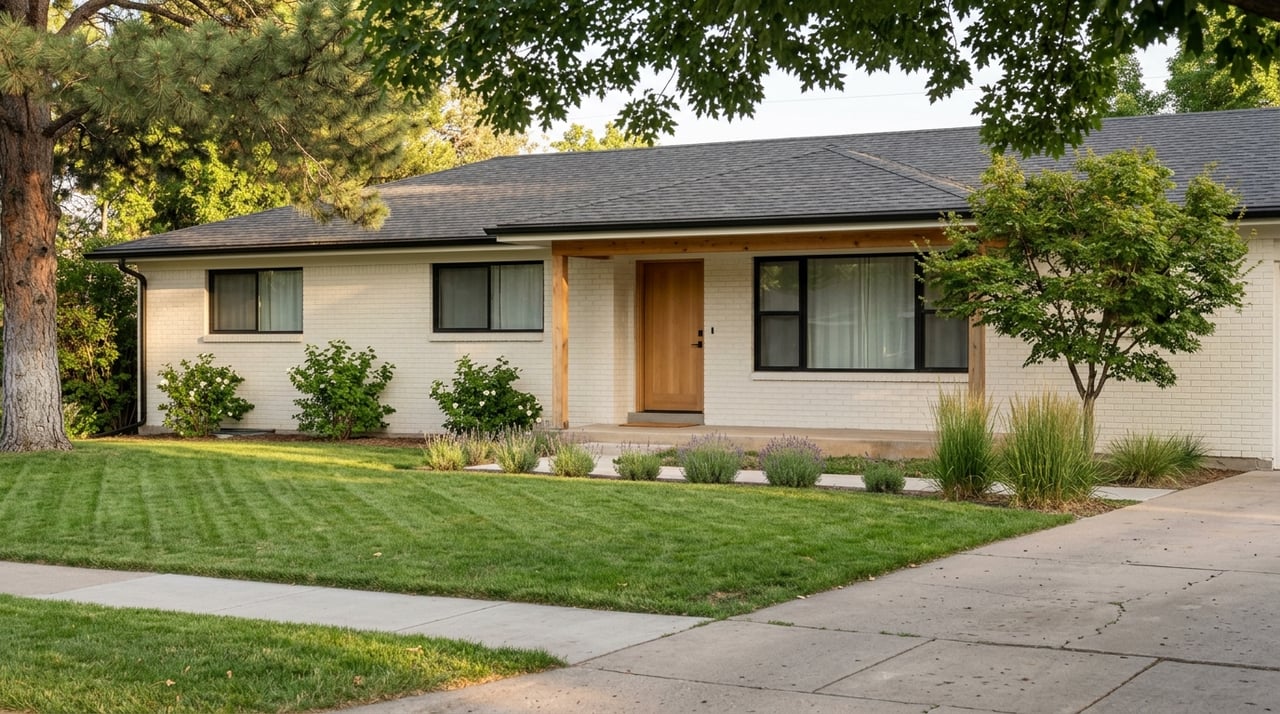
Established Pasco neighborhoods often appeal to buyers who value existing services, mature street networks, and a neighborhood pattern that is already mostly built out. You may find yourself closer to civic buildings, downtown businesses, parks, and river-oriented amenities. For some buyers, that convenience matters more than having a brand-new home.
The city notes that housing south of I-182 and west of the BNSF mainline is mostly pre-1980. That can mean a different mix of lot sizes, home styles, and street layouts than what you see in newer subdivisions. Riverview adds another layer, with rural and low-density development patterns that differ from the central core.
Established areas may also have more infill or redevelopment potential over time. The city’s planning framework places emphasis on downtown infill and redevelopment along corridors where infrastructure and public transportation already exist. If you like the idea of being in an area with long-standing community anchors and future reinvestment potential, that may be worth a closer look.
Commute and mobility matter more than you think
When buyers compare neighborhoods, they often focus first on square footage, finishes, or curb appeal. In Pasco, commute patterns and route choices deserve just as much attention. With a citywide mean travel time to work of 22.5 minutes, even small differences in access can change how your week feels.
Pasco is served by Ben Franklin Transit through both fixed-route buses and on-demand service. Current service includes Pasco routes such as Route 64 and Route 68, and BFT CONNECT has both West Pasco and East Pasco service zones. That can be useful if you want more than one way to get around.
West Pasco access is still changing
In western Pasco, mobility is shaped in part by limited I-182 crossings. The city says current crossings in that area are limited to interchanges, which funnels local trips into regional traffic and adds congestion on Road 68 and Road 100. The Road 76 overpass project is intended to create a new multi-modal connection across I-182 and expand the multi-use path network.
In downtown, the Lewis Street Overpass is another major project meant to improve connections across the BNSF rail yard for walking and bicycling. Together, these projects show why it is smart to look beyond a simple map pin. A neighborhood may seem close to your destinations, but your actual route options can make a big difference.
How to choose the right fit
The best neighborhood type usually comes down to what matters most in your daily life. Neither newer nor established is automatically better. The right choice is the one that supports your budget, routine, and long-term goals.
A newer Pasco neighborhood may be a better fit if you want:
- A more master-planned environment
- Smaller or more flexible lot sizes
- A mix of newer housing types
- Future retail or recreation potential nearby
- Access to Pasco’s main growth corridors
An established Pasco neighborhood may be a better fit if you want:
- Closer access to downtown or civic services
- Existing parks, trails, and river-area amenities
- A more mature neighborhood feel
- Existing transit and street networks
- Areas that are already largely built out
Questions to ask before you decide
Before you choose between a newer and more established Pasco neighborhood, it helps to look at a few practical details side by side. This can save you from falling in love with a home before you understand the bigger picture around it.
Ask yourself:
- How important is a shorter or more flexible commute?
- Do you want a larger lot, a smaller lot, or lower outdoor maintenance?
- Are you comfortable buying in an area with ongoing construction?
- Do you want nearby civic uses and established services now, or are you comfortable waiting for future amenities?
- Would you prefer a newer subdivision layout or an older, more connected street network?
It is also smart to verify the parcel’s current zoning before making assumptions. Pasco’s residential districts range from large-lot RS-20 down to compact R-4, and the city directs users to its GIS Planning map and Title 25 zoning for current land-use information. That step can give you a clearer picture of what is allowed around a property today.
A calm approach to your Pasco search
Choosing between new and established Pasco neighborhoods can feel like a big decision, especially if you’re relocating or buying your first home in the Tri-Cities. The good news is that this choice becomes much easier once you connect it to your real priorities. When you know what matters most, the right areas tend to rise to the top.
If you want thoughtful guidance as you compare neighborhoods, commute patterns, and long-term fit, Corrie Hayes is here to help you move forward with clarity and confidence.
FAQs
What are newer neighborhoods in Pasco, WA?
- In Pasco, newer growth is concentrated mainly north of I-182 and in west Pasco, including the Broadmoor area.
What are established neighborhoods in Pasco, WA?
- Established housing is concentrated more in the central core south of I-182 and east of Highway 395, with additional lower-density pockets in Riverview.
Are newer Pasco neighborhoods only single-family homes?
- No. City planning and zoning for areas like Broadmoor allow a mix of detached homes, duplexes, triplexes, fourplexes, townhomes, row houses, and cottage or courtyard housing.
Do established Pasco neighborhoods mean older homes?
- Often, yes, especially in the central core where much of the city was established before the 1990s growth surge, but established areas can also include lower-density patterns like Riverview.
How important is commuting when choosing a Pasco neighborhood?
- It is very important because access points, traffic patterns, transit options, and major projects like the Road 76 overpass can all affect how easily you get around.
Should I check zoning before buying in Pasco, WA?
- Yes. Pasco’s residential zoning ranges from large-lot districts to more compact districts, so checking current zoning can help you better understand the property and surrounding area.