If your Pasco home is about to hit the market, one question matters more than almost anything else: are you pricing and preparing it for the market you have, not the market you wish you had? That can feel like a lot to sort through, especially when online estimates, citywide averages, and well-meaning advice all seem to point in different directions. The good news is that you do not need perfect timing or a flashy overhaul to make smart selling decisions. You need a clear plan for price, prep, and paperwork that fits Pasco’s current conditions. Let’s dive in.
Pasco Market Conditions Matter
Pasco’s housing market looks more balanced than overheated right now, and that changes how you should think about your sale. In March 2026, Redfin reported a median sale price of $417,998 with homes taking 78 days on market, while Realtor.com reported a median listing price of $484,995, a 100% sale-to-list ratio, and 49 median days on market.
Those numbers are not exact apples-to-apples comparisons, so it helps to treat them as a range instead of a single answer. The bigger takeaway is that buyers still purchase well-positioned homes near asking, but they also have choices and time to compare options.
Franklin County is described as a balanced market, which means your strategy needs to be realistic and local. In a market like this, strong pricing and thoughtful prep usually matter more than hoping buyers will stretch past what nearby homes support.
Pasco ZIP Codes Can Shift Value
One of the most important pricing truths in Pasco is that ZIP code matters. Realtor.com’s March 2026 snapshot showed meaningful variation, with 99336 around $375,000, 99301 at about $484,997, 99337 and 99338 around $499,900, and 99352 around $572,400.
That spread is a reminder that citywide averages are only a starting point. Your home’s likely value depends much more on its immediate area, condition, size, and comparable recent sales than on a broad Pasco headline number.
Price Your Home With Local Comparables
If you want to avoid unnecessary days on market, pricing should start with recent closed sales of similar homes. According to Fannie Mae guidance, comparable sales should match the home as closely as possible in physical and legal characteristics, and value analysis should consider the most comparable closed sales, contract sales, and listings.
In practical terms, that means the details matter. Square footage, lot size, floor plan, age, condition, updates, style, and location all affect where your price should land.
Fannie Mae also says the sales comparison approach must report at least three closed comparables. That is one reason a smart pricing strategy is never just pulling one nearby sale and calling it done.
Why Overpricing Can Backfire
It is easy to assume you can start high and negotiate down later, but that approach can create problems in a balanced market. If your price stretches too far beyond nearby comparable homes, buyers may skip your listing or wait to see if you reduce the price.
There is also the appraisal issue. The CFPB explains that appraisals compare your home to similar local sales and adjust for differences, and if the appraisal comes in below the contract price, that can become strong evidence that the home was priced above market value.
When that happens, buyers may try to renegotiate or even cancel depending on the contract terms. For sellers in Pasco, a defensible list price is often one of the best ways to protect momentum once you accept an offer.
Focus on Prep Buyers Actually Notice
When sellers think about prep, they sometimes imagine expensive updates or a full staging makeover. In reality, the most effective steps are often simpler and more practical.
The 2025 NAR Profile of Home Staging found that 83% of buyers’ agents said staging makes it easier for buyers to visualize a home. At the same time, 51% of sellers’ agents said they do not stage but instead recommend decluttering or fixing property faults.
That tells you something important. You do not always need to do everything, but you do need to help buyers see the home clearly and comfortably, both online and in person.
Start With the Core Prep List
Before your listing goes live, focus on the prep items that consistently matter most:
- Declutter each room
- Complete a whole-home cleaning
- Fix visible minor repairs
- Touch up paint where needed
- Depersonalize surfaces and walls
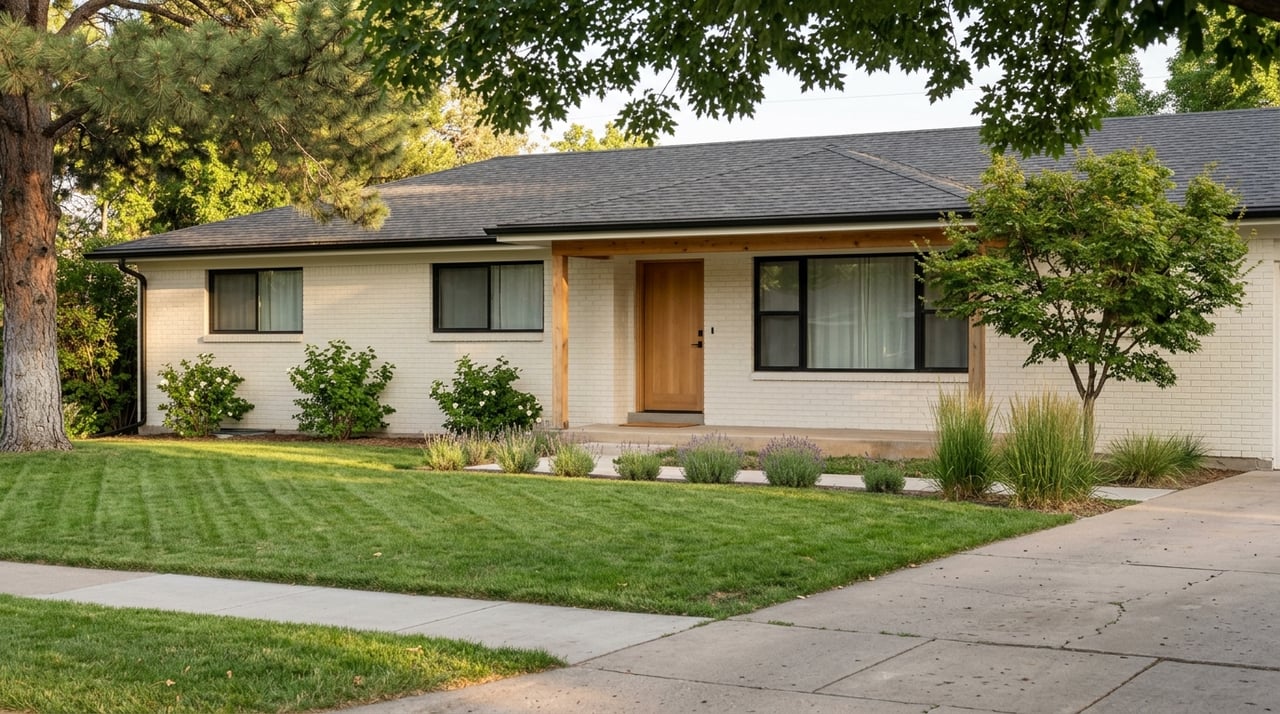
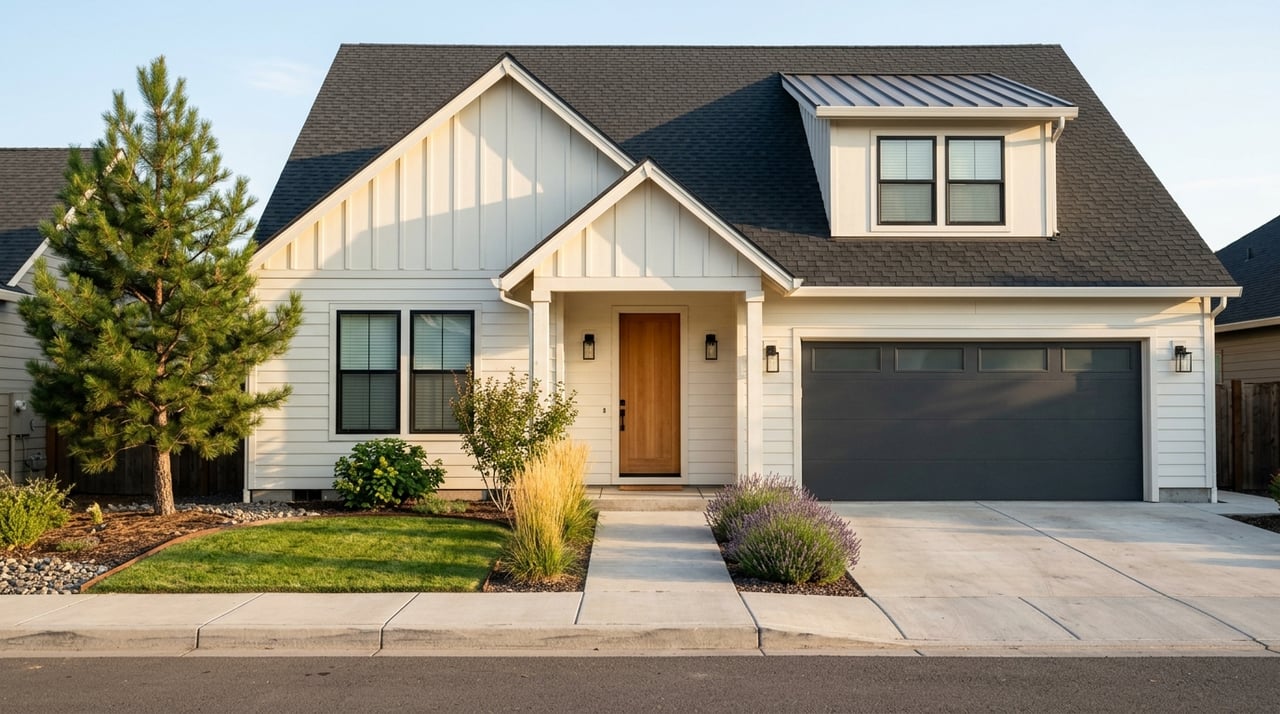
- Improve curb appeal
- Clean carpets if needed
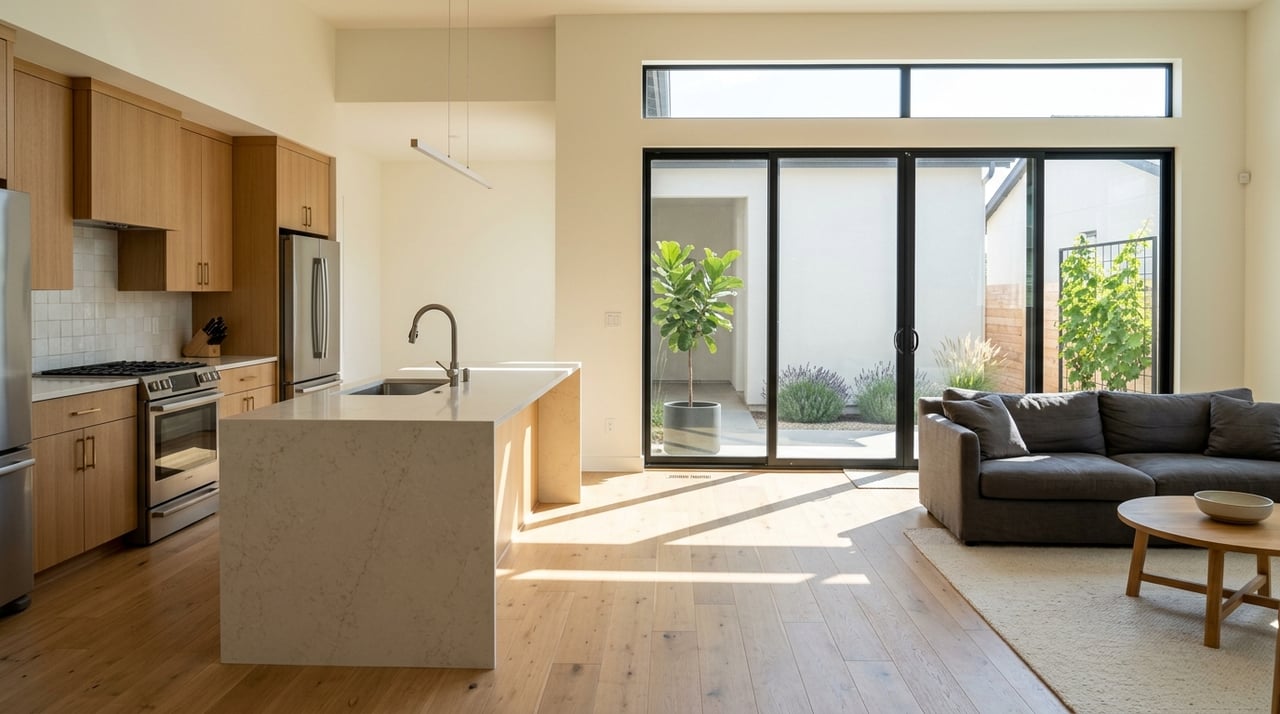
- Prepare for strong listing photos
These steps can make a home feel better cared for without requiring a major renovation budget. They also help reduce distractions, which is important when buyers are comparing several homes in the same price range.
Prioritize the Rooms Buyers Notice Most
If you are deciding where to spend your time first, start with the spaces buyers tend to care about most. NAR’s staging report points to the living room, primary bedroom, and kitchen as especially important.
That does not mean other rooms do not matter. It means these areas often shape a buyer’s first impression and emotional response, so they deserve extra attention before photos and showings.
Online Presentation Is Part of Prep
Many buyers will see your home online before they ever step inside. That means prep is not just about the showing. It is also about how your home looks in photos and video.
The same NAR report highlights the importance of professional photos, video, and physical staging support. Clean surfaces, good lighting, and simple styling can make a major difference in how your listing performs in the first few days.
If your home looks polished online, more buyers are likely to add it to their shortlist. If the online presentation feels cluttered, dark, or unfinished, you may lose interest before a showing is even scheduled.
Market-Ready Beats Perfect Timing
You may hear that spring is the best time to sell, and there is some seasonal logic behind that. Realtor.com identified April 12 through 18, 2026, as the best week to sell nationally, but it also cautioned that seasonality is not the whole story because local conditions and mortgage rates matter.
For a Pasco seller, the more useful question is usually not whether you can hit the perfect week. It is whether your home is truly ready to launch at a price supported by local comparable sales.
A well-prepared home with clear pricing often has an advantage over a rushed listing that went live just to chase the calendar. Readiness tends to matter more than timing magic.
Prepare for Washington Seller Disclosures
Once your home is listed and you move toward a contract, paperwork becomes part of the process. In Washington, a seller disclosure statement is generally required for most residential sales unless an exemption applies or the buyer waives that right under RCW 64.06.
The seller generally must deliver the completed, signed, and dated disclosure statement within five business days after mutual acceptance. After that, the buyer has three business days to accept or rescind.
The disclosure form is based on your actual knowledge, and yes answers should be explained with documents attached when available. This is one reason it helps to gather records early instead of scrambling after you go under contract.
If Something Changes Before Closing
If you learn new information or there is an adverse change before closing, Washington law requires the disclosure to be amended unless the issue is corrected at least three business days before closing. After receiving an amended disclosure, the buyer again has three business days to accept or rescind.
If the change is corrected in time, there is no rescission right. The key point is simple: keep your information current and communicate quickly if something changes.
Know a Key Washington Closing Cost
One closing cost that often surprises sellers is Washington’s real estate excise tax, or REET. The Washington State Department of Revenue says REET is a tax on the sale of real property and that the seller usually pays it.
It is due on the date of sale to the county treasurer, and unpaid tax can create a lien on the property. Exact closing costs can still vary based on the contract, but REET is an important expense to keep on your radar as you estimate net proceeds.
Watch Common Buyer Friction Points
After your listing is active and you receive an offer, the buyer side of the process usually focuses on inspections, appraisal review, and negotiation over issues those steps uncover. That is normal, but it can feel less stressful when you are prepared.
A clean prep file can help you respond faster and with more confidence. Useful items include repair receipts, warranties, permits, and notes that support your disclosure answers.
In Pasco’s current market, sellers have the most control over three things: price, presentation, and preparation. When those pieces are handled well, the rest of the process often becomes easier to manage.
A Smart Pasco Selling Plan
If you are getting ready to sell, keep your plan simple and grounded in the local market. Start with comparable sales in your area, not just citywide averages. Then make your home easier to understand, easier to photograph, and easier for buyers to picture as their next step.
You do not need to guess your way through pricing or prep. With clear local guidance, honest expectations, and organized details, you can move into the selling process with a lot more confidence and a lot less stress.
If you want calm, knowledgeable help preparing your Pasco home for market, Corrie Hayes is here to guide you with clear advice, thoughtful strategy, and steady support from start to finish.
FAQs
What is the Pasco, WA housing market like for sellers in 2026?
- Pasco appears more balanced than frenzied, with March 2026 data showing homes still selling near asking in many cases, but with buyers having time and options, which makes pricing and prep especially important.
How should you price a home in Pasco, WA before listing?
- Start with recent closed sales of similar nearby homes and look closely at differences in size, lot, layout, condition, updates, and location rather than relying only on citywide averages.
Which home prep steps matter most before selling in Pasco, WA?
- Decluttering, whole-home cleaning, visible minor repairs, paint touch-ups, depersonalizing, curb appeal, carpet cleaning, and strong listing photos are some of the most common and effective prep steps.
What rooms should you prioritize when preparing a Pasco home for sale?
- The living room, primary bedroom, and kitchen are especially important because buyers often focus on those spaces when forming first impressions.
What seller disclosures are required in Washington when selling a home?
- For most residential sales, Washington requires a seller disclosure statement unless an exemption applies or the buyer waives the right, and the form is based on the seller’s actual knowledge.
Do sellers usually pay real estate excise tax in Washington?
- Yes, the seller usually pays Washington’s real estate excise tax, though exact closing costs can still be affected by the terms negotiated in the purchase contract.
What should Pasco sellers know about pre-1978 homes and lead paint?
- If the home was built before 1978, federal lead-based paint disclosure rules generally require sellers to disclose known lead information, provide available records, include the required warning statement, and allow the buyer a 10-day opportunity to inspect or test for lead hazards before contract signing.