Thinking about a move to Pasco and wondering what day-to-day life actually feels like? You are not alone. Whether you are relocating within Washington, moving across the state, or simply comparing Tri-Cities communities, it helps to understand how Pasco lives beyond the map. This guide walks you through what stands out about Pasco, from housing and commute patterns to parks, downtown, and the city’s growing west side. Let’s dive in.
Pasco at a Glance
Pasco is one of the core Tri-Cities communities and the county seat of Franklin County. In 2024, the city’s population was estimated at 81,724, which reflects a fast-growing local market and a city that continues to evolve.
What often stands out first is Pasco’s population profile. About 31.4% of residents are under 18, the average household size is 3.19 people, 58.5% of residents identify as Hispanic or Latino, and 53.0% of people age 5 and older speak a language other than English at home. In practical terms, Pasco feels younger, family-oriented, and notably multilingual.
Housing in Pasco
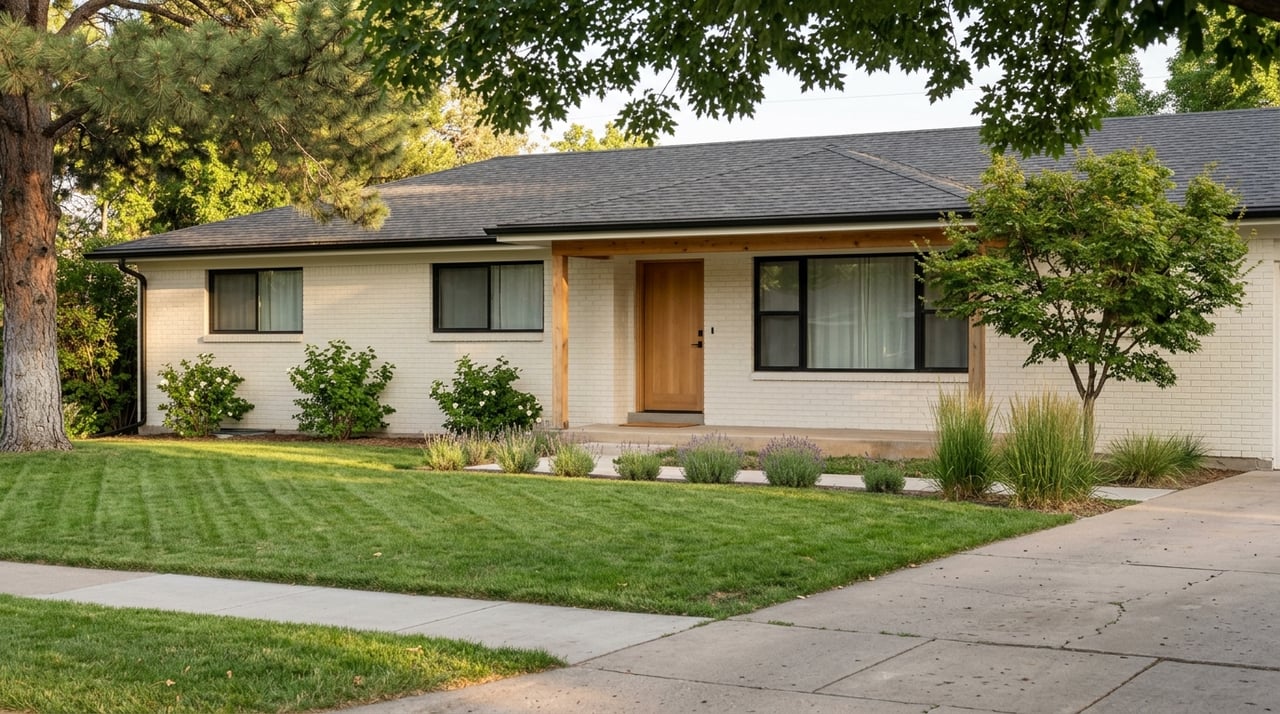
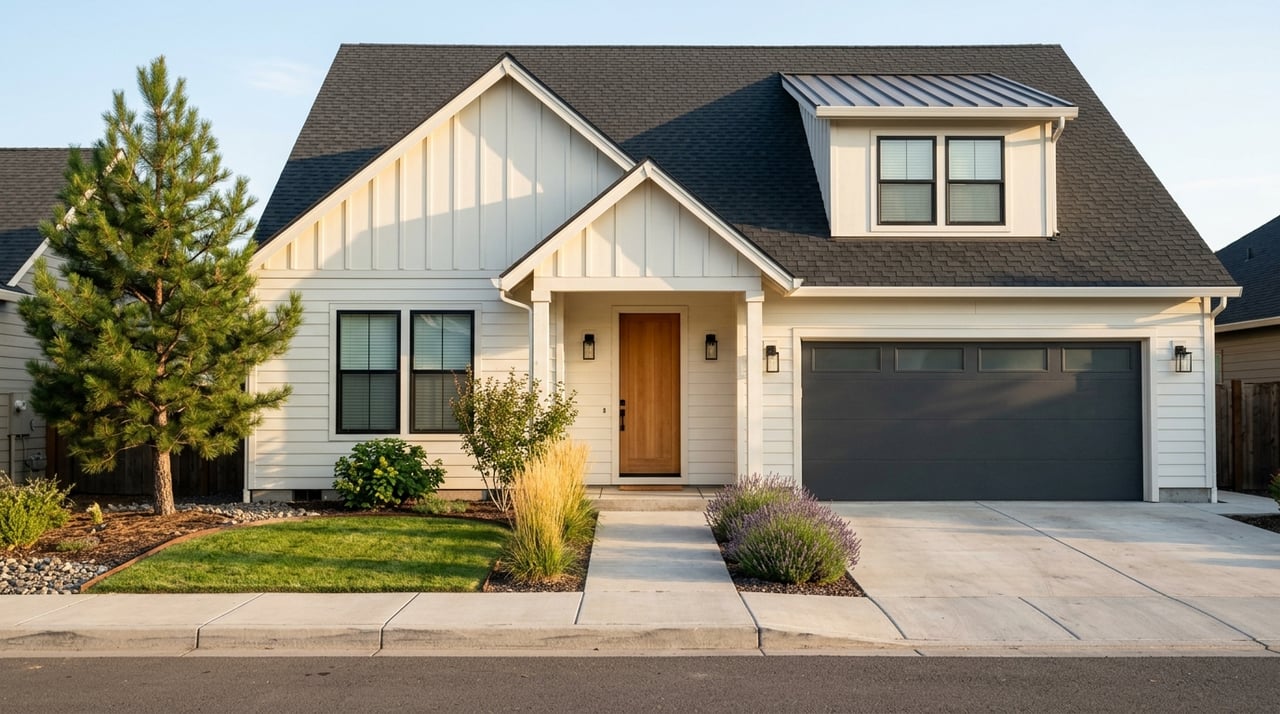
If you picture Pasco as mostly single-family homes, that is still largely true. The city remains a detached-home market in many areas, and homeownership is relatively strong, with 70.9% of homes owner-occupied in 2020 through 2024.
At the same time, Pasco is expanding its housing options. City planning documents show that Pasco allows attached and detached ADUs and has added room for townhomes, duplexes, courtyard apartments, and other missing-middle housing types. That gives buyers and sellers a little more variety than you might expect.
What home costs look like
Pasco’s median owner-occupied home value was $376,300 in 2020 through 2024. For comparison, the statewide figure was $564,600 during the same period.
For renters, the median gross rent was $1,227, compared with Washington’s median of $1,760. While every property and price point is different, those numbers suggest Pasco has remained more attainable than many parts of the state.
Where growth is happening
Pasco has a clear split between established areas and newer development. Older central neighborhoods were built before the major growth surge of the 2000s, while northwest and west Pasco have seen more recent residential expansion.
City planning materials also point to Road 68 and the Broadmoor area as key growth corridors. That means if you are home shopping in Pasco, you may notice very different housing styles, lot patterns, and nearby amenities depending on which part of the city you explore.
Neighborhood Feel and Development Patterns
One of the most helpful things to know about Pasco is that it does not feel the same everywhere. The city has distinct development patterns, and those patterns shape your daily experience.
In older central-core areas, the city notes access to parks, retail, frequent transit, and other established services. Some of these neighborhoods also include older housing stock, including pre-1940 blocks that have been part of redevelopment efforts.
On the west and northwest sides, newer neighborhoods and commercial growth are more visible. North of I-182, new residential development has expanded outward, while Road 68 has become a major commercial corridor.
Downtown Pasco versus west Pasco
Downtown Pasco has a more traditional civic and neighborhood-center role. The city says downtown includes just under 10,000 residents and 8,000 jobs, along with culturally diverse businesses, the Pasco Farmers Market, and the Pasco Specialty Kitchen.
By contrast, Road 68 and Broadmoor reflect a more recent growth pattern. These areas are tied to larger-scale commercial activity, expanding housing, and mixed-use development. If you are deciding where to live, this contrast matters because your routine can feel very different from one side of Pasco to another.
Getting Around Pasco
Pasco’s transportation network is regional, which is one reason many people find it practical for commuting around the Tri-Cities. The city is served by I-182, US 395, US 12, and SR 397.
SR 397, which includes the Cable Bridge, connects downtown Pasco with Kennewick. That connection is part of everyday life for many residents who move between Tri-Cities communities for work, shopping, appointments, and recreation.
Commute times and transit
The mean one-way commute time in Pasco was 22.5 minutes in 2020 through 2024. For many buyers, that points to a manageable daily drive while still having access to the broader regional job and service network.
For public transportation, Ben Franklin Transit serves Pasco and the wider Tri-Cities with fixed-route bus service and dial-a-ride options. It is a regional bus-based system rather than a rail system, which is useful context if transit access is part of your decision-making.
Air travel convenience
A unique convenience for Pasco residents is Tri-Cities Airport, located in Pasco at 3601 N 20th Avenue. If you travel regularly for work, family, or leisure, having commercial air service in town can be a real plus.
Outdoor Life and River Access
If you enjoy spending time outside, Pasco has a strong river-connected identity. City planning emphasizes connected parks, trails, bikeways, and access to the Columbia River, and the city also notes that many neighborhoods have park areas within walking distance.
That matters because outdoor recreation in Pasco is not limited to one destination. It is woven into everyday living, whether that means a walk after dinner, a bike ride, or time near the water on a weekend.
Riverfront parks
Chiawana Park is one of the city’s standout outdoor spaces. This 127-acre riverfront park includes a boat dock, boat launch, picnic areas, a playground, restrooms, and a walking trail.
Wade Park is another key riverfront spot. It covers 25 acres and includes a public boat launch, seating areas, and walking and bike paths.
Regional outdoor access
Just outside the city’s regular park system, Sacajawea Historical State Park sits at the Snake and Columbia river confluence. It adds another major outdoor landmark to the area and gives residents one more option for exploring the region.
Shopping, Dining, and Daily Routine
Pasco’s daily lifestyle is shaped by both neighborhood-scale spots and regional commercial corridors. Depending on where you live, your errands, dining habits, and weekend routine may center around downtown, Road 68, or a mix of both.
Downtown Pasco has a civic feel and a strong community identity. As a certified Main Street community, it brings together local businesses, public spaces, and regular events that create a more traditional downtown rhythm.
Farmers market and food scene
The Pasco Farmers Market operates on Saturdays from May through October at Peanuts Park. For many residents, that creates a seasonal routine built around shopping local and spending time downtown.
Pasco’s food scene also includes mobile vendors and food entrepreneurs. City policies specifically support mobile vending in parks and downtown public spaces, which helps create variety and energy in the local dining experience.
Retail corridors and regional access
Road 68 is one of the city’s major north-south arterial corridors and serves significant commercial areas. Broadmoor is also growing as a higher-intensity retail and housing district, which continues to shape west Pasco’s daily convenience.
Because Pasco is part of the Tri-Cities, your shopping and dining options are not limited to city boundaries. The combined population of Kennewick, Pasco, Richland, and West Richland is 206,240, which supports a larger regional mix of services and destinations.
What Living in Pasco Feels Like
So, what is it actually like to live in Pasco? For many people, it feels practical, connected, and steadily growing. You get a city with strong homeownership, regional transportation access, riverfront recreation, and a clear mix of established neighborhoods and newer development.
It also feels distinct within the Tri-Cities. Pasco combines a younger population, larger households, and a multilingual community profile with both downtown character and west-side expansion. That mix can be especially appealing if you want options, whether you are looking for an older in-town setting, newer construction, or easy access to the rest of the region.
If you are planning a move, the best next step is to match the city’s different areas to your actual lifestyle. Your commute, preferred home style, outdoor habits, and day-to-day routine will all help narrow down which part of Pasco may feel like the best fit.
If you want help comparing neighborhoods, understanding the Tri-Cities market, or planning a move within Washington, Corrie Hayes is here to guide you with clear advice, local insight, and steady support.
FAQs
What is the population of Pasco, Washington?
- Pasco’s 2024 population estimate was 81,724.
What is housing like in Pasco, Washington?
- Pasco is still largely a detached-home market, but the city also allows ADUs and has expanded room for townhomes, duplexes, courtyard apartments, and other missing-middle housing types.
What is the average commute time in Pasco, Washington?
- The mean one-way commute time in Pasco was 22.5 minutes in 2020 through 2024.
What outdoor activities are available in Pasco, Washington?
- Pasco offers riverfront recreation, parks, trails, bikeways, and boat access, with major outdoor spots including Chiawana Park, Wade Park, and nearby Sacajawea Historical State Park.
What parts of Pasco are growing the most?
- City planning materials point to northwest and west Pasco, especially along Road 68 and in the Broadmoor area, as major growth zones for residential, commercial, and mixed-use development.
Is Pasco connected to the rest of the Tri-Cities?
- Yes. Pasco is one of the core Tri-Cities communities and is linked regionally by major highways, the Cable Bridge connection to Kennewick, Ben Franklin Transit service, and the broader shared housing and community-development market.